Projects
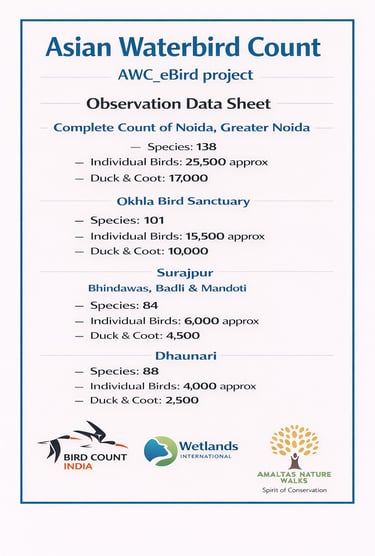
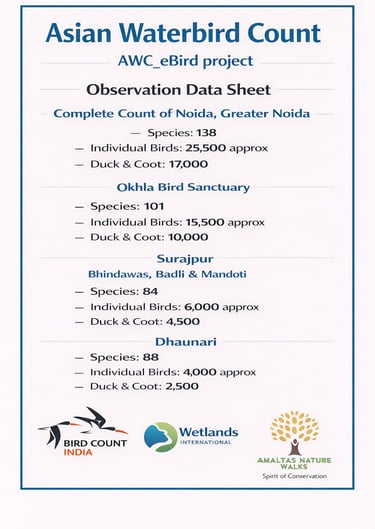
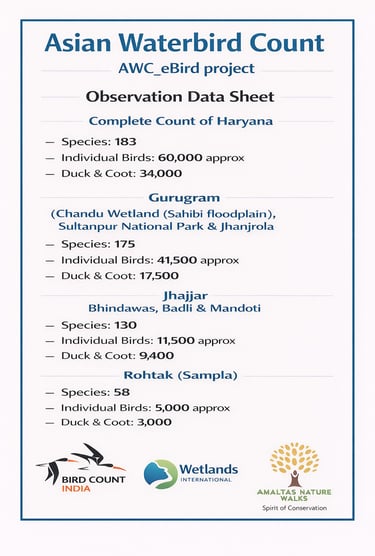
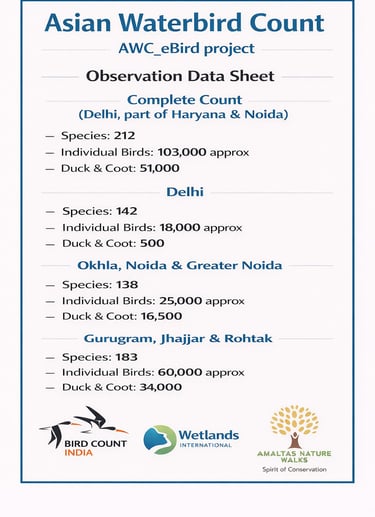
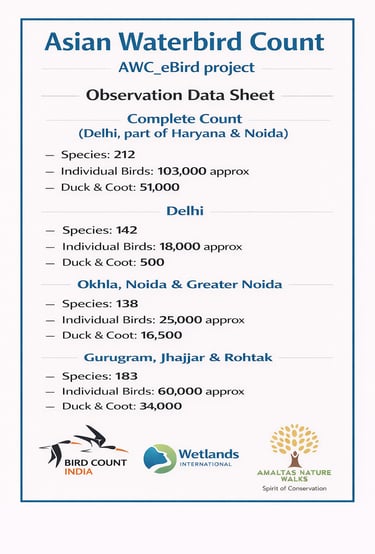
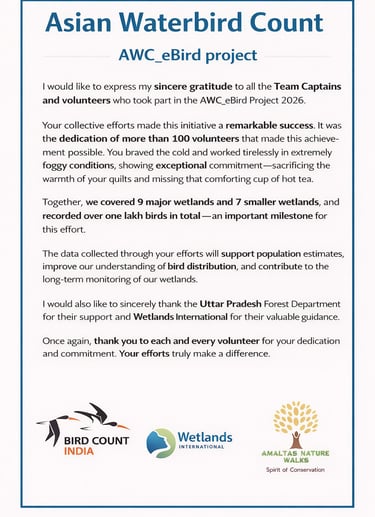
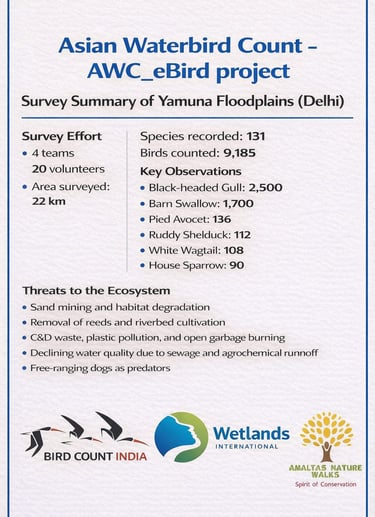
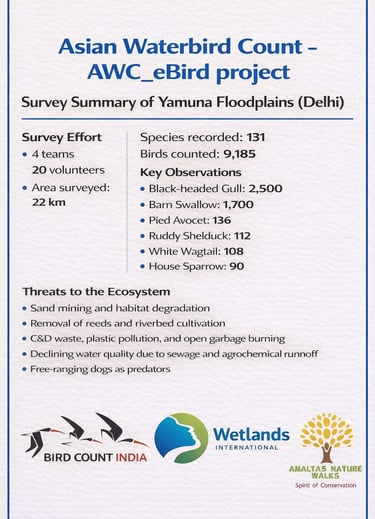
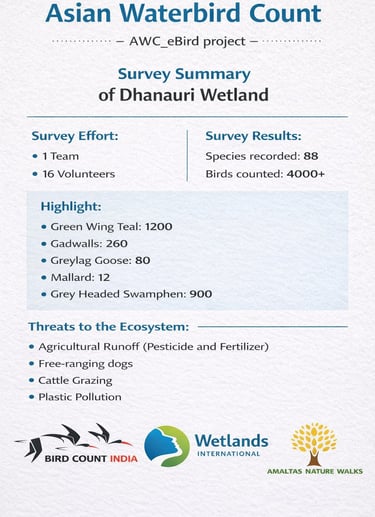
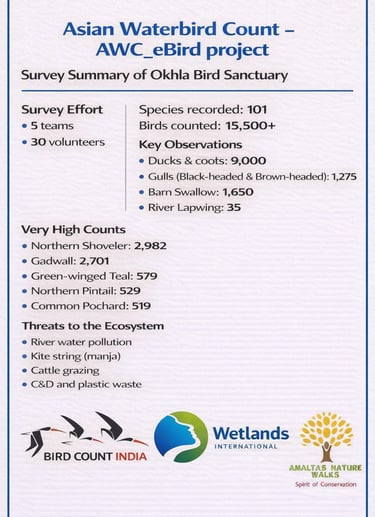
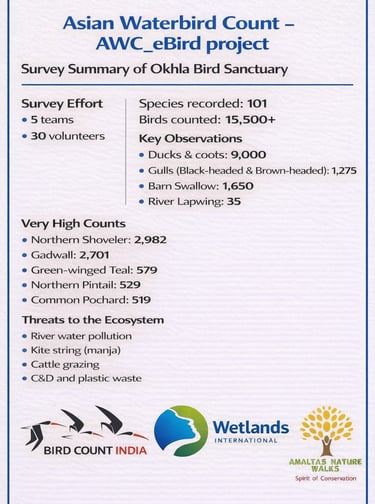
Asian Wetland birds Census
The Asian Waterbird Census (AWC) is an international program dedicated to monitoring the status of waterbirds and their wetland habitats. It is a part of the International Waterbird Census (IWC) and aims to: Enhance public awareness about wetland and waterbird conservation.
• Collect crucial data to protect waterbird populations and their habitats. Annual Event: Conducted every January with volunteers from across India participating in waterbird counts at various wetland sites.
Coordinated by: Wetlands International
Join the Global Effort to Conserve Waterbirds and Wetlands!
Delhi Bird Atlas
Citizen science projects, like the Delhi Bird Atlas, are vital because they allow ALL people to contribute observations and contribute.
A typical bird atlas project collates data on bird presence or abundance with mapping of this information over a significant geographical region over a well-defined period of time.
hey often involve a large numbers of volunteers to cover a wide geographic area and the methods used are standardised so that the studies can be continued in the future and the results remain comparable. This exercise helps us:
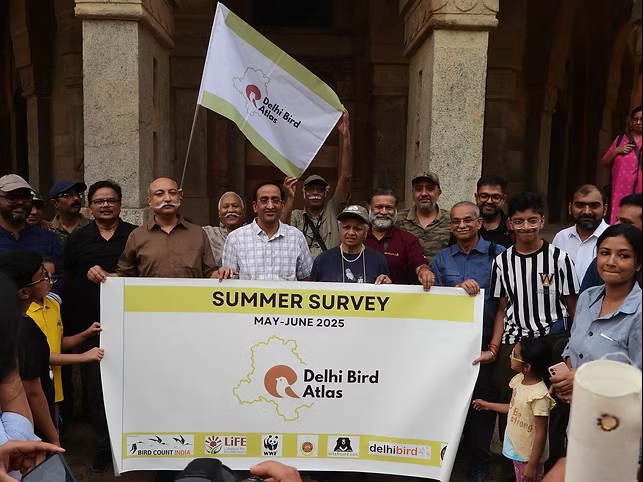
Pinpointing Key Habitats: Mapping bird locations helps us find important areas they use for food, breeding, and rest, which is essential for conservation.
Detecting Environmental Shifts: Changes in bird life can be early warnings for problems like habitat loss, pollution, or climate change.
Fostering Community Involvement: These projects get people excited about local nature, encouraging more participation in conservation.
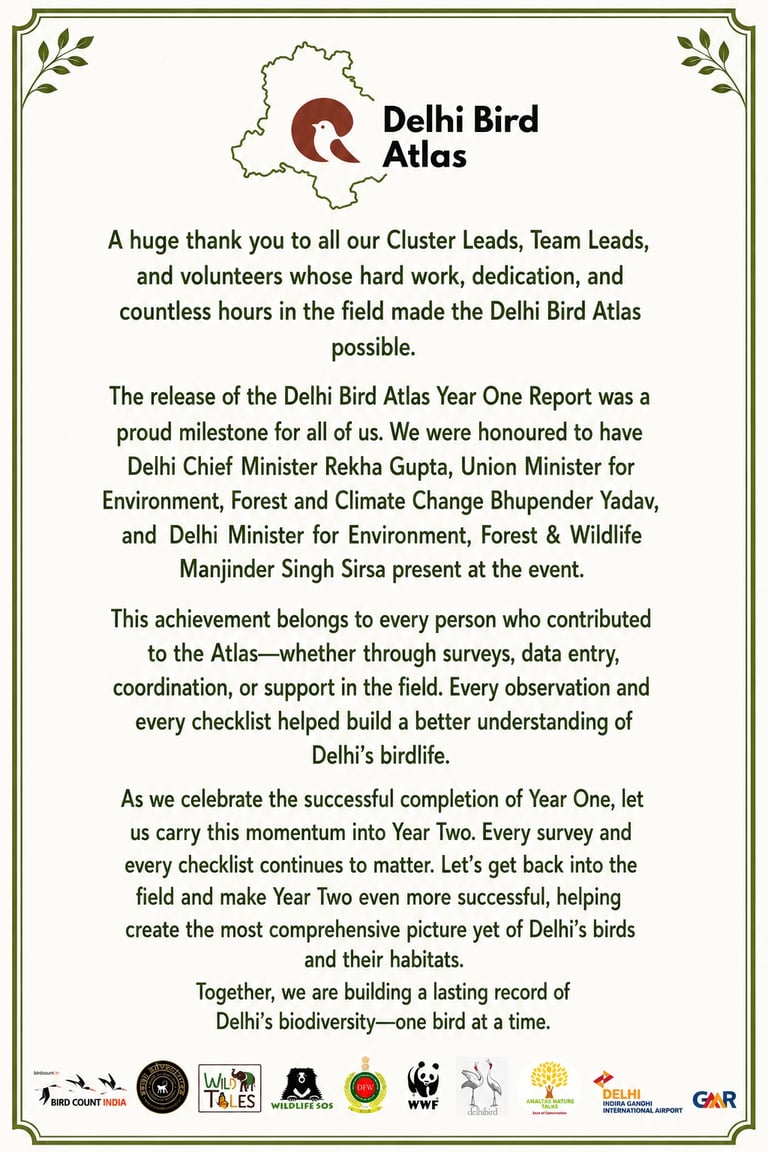
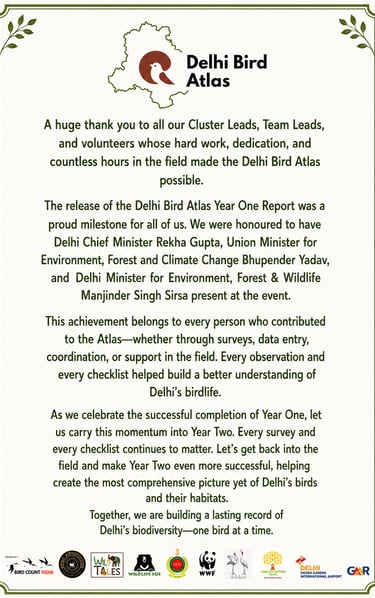
Two years of field work by the team has finally resulted in the release of a scientific bird atlas by the Honourable Minister of Environment and Climate Change, the Honourable CM Delhi and other dignitaries
Events / Walks
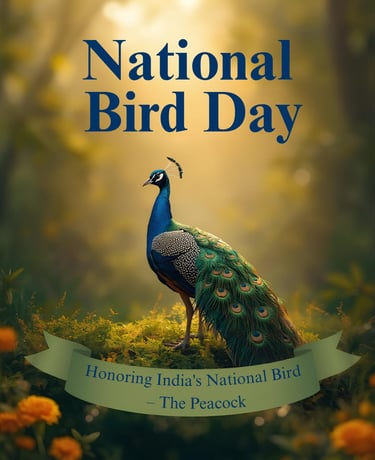
National Bird Day 5th Jan
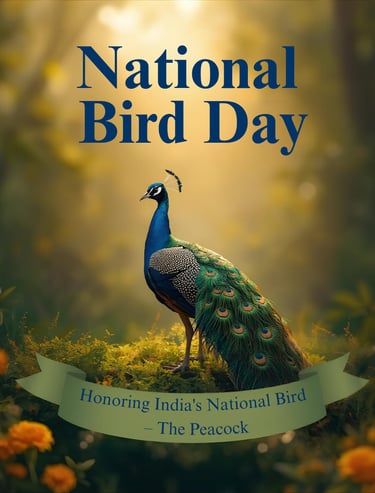
Of all the living creatures present on our planet, birds are the most magnificent ones. They are vibrant, bustling with melodious music and lively colours. National Bird Day is celebrated because we have used birds for their feathers, as pets, and even as food.
There are several organizations that run campaigns and help in the conservation of our birds. Out of all of them, the Avian Welfare Coalition is the most successful and well-known organization. AWC, along with Born Free USA (a wildlife charity), initiated the campaign known as National Bird Day back in 2002.Let us find out more about National Bird Day’s history, significance, its celebrations and how to take part in the event.
History of National Bird Day:
It is estimated that almost 1200 bird species will be lost forever by extinction by the end of this century. It has become very important that we begin raising awareness about the threats birds face by illegal trading, climate change and diseases.
Birds are illegally traded in the black market, and bidders receive very large amounts of money for selling some of them. Alluring birds such as macaws, eagles, and budgerigars are sold for their colourful feathers, as pets, and even sold as food. This might result in the disappearance of birds altogether. Can you even imagine future generations not being able to see a parrot in real life?
These were the questions that AWC discussed two decades ago in 2002. Immediate action needed to be taken to protect birds, and this idea led to the creation of National Bird Day.
World Wetlands Day
The World Wetlands Day is celebrated annually on February 2nd, this theme highlights the vital role indigenous and local knowledge plays in conserving wetland ecosystems and showcases how traditional practices protect these crucial, yet rapidly disappearing, environments.
Key aspects of the 2026 theme include:
Cultural Connection: The theme explores the deep relationship between local communities and their surrounding wetlands, focusing on how these ecosystems form part of cultural identity.
Sustainable Practices: It emphasizes that traditional, generational knowledge offers sustainable solutions for wetland management and biodiversity conservation.
Heritage Preservation: The theme aims to raise awareness about the need to protect both the natural, ecological value of wetlands and the intangible cultural heritage associated with them. UNESCO World Heritage
World Wetlands Day marks the anniversary of the adoption of the Convention on Wetlands (Ramsar Convention) in 1971.
World Wildlife Day
World Wildlife Day is celebrated annually on March 3rd to raise awareness about the world's wild animals and plants, fight against wildlife crime, and highlight the urgent need for conservation. The 2026 theme is "Medicinal and Aromatic Plants: Conserving Health, Heritage and Livelihoods," focusing on the sustainable use of these vital species. The United Nations
Key Details for 2026:
Theme: "Medicinal and Aromatic Plants: Conserving Health, Heritage and Livelihoods".
Significance: The date marks the signing of the Convention on International Trade in Endangered Species of Wild Fauna and Flora (CITES) in 1973.
Focus: The 2026 focus highlights how these plants support human health and local livelihoods while facing threats from habitat loss and climate change.
The International Day of Action for Rivers, observed annually on March 14, unites people worldwide to protect, celebrate, and raise awareness about the critical importance of rivers, freshwater ecosystems, and the communities that depend on them. Founded in 1997, it focuses on promoting sustainable management, stopping destructive projects, and ensuring equitable access to clean water.
ICIMOD - International Centre for Integrated Mountain Development
Key aspects and activities include:
Purpose: The day acts against the destruction of rivers and highlights their role in biodiversity and climate resilience.
Origin: Established in 1997 in Brazil to combat the impacts of large dams.
Activities: Events include river cleanups, protests, workshops, educational seminars, and, as of 2026, continued calls for action.
Goal: To ensure free-flowing rivers, protecting them from industrial pollution and excessive construction.
International Day of Action for Rivers
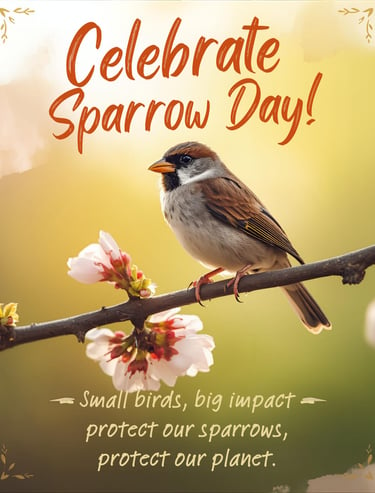
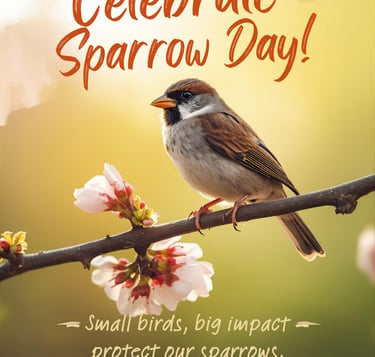
World Sparrow Day is observed annually on March 20th to raise awareness about the declining population of house sparrows and promote their conservation. Initiated by India's Nature Forever Society in 2010, the day highlights the need to protect these urban birds from habitat loss and pollution, emphasising their role in biodiversity. Wikipedia
Key details about World Sparrow Day:
Purpose: To encourage the protection of sparrows, which are crucial for ecological balance, seed dispersal, and pest control.
Reasons for Decline: Urbanisation, lack of nesting sites, modern architectural changes, and, in some cases, pesticide use.
How to Celebrate: People set up bird feeders, birdhouses, and water bowls to support local populations.
Significance: It serves as a reminder of the impact of human activities on urban biodiversity and encourages creating sparrow-friendly habitats
World Sparrow Day
World Frog Day
Every year on March 20, World Frog Day is celebrated to raise awareness about the crisis facing these amphibians. Due to their high sensitivity to environmental changes, frogs are excellent bioindicators. Their decline can reflect the deterioration of both aquatic and terrestrial ecosystems, including water pollution, deforestation, and climate change.
World Water Day
The theme for World Water Day 2026 is "Water and Gender," focusing on how empowering women and girls to participate in water management leads to better access, improved sanitation, and inclusive, sustainable systems for all, addressing the disproportionate impact of water scarcity on them. It highlights that gender equality is key to achieving Sustainable Development Goal 6 (Water and Sanitation for All) by ensuring women's equal voice, leadership, and opportunities in water decisions.
Key Aspects of the Theme:
Addressing Inequality: Women and girls often bear the primary burden of water collection and family care, making them more vulnerable to water crises.
Empowerment for Solutions: The theme advocates for women's equal involvement in water governance, leadership, and policy-making to create more effective and equitable water systems.
Human Right: It emphasizes that safe water and sanitation are fundamental human rights and crucial enablers of gender equality.
Transformative Approach: It calls for a rights-based approach that recognizes women's agency and ensures their voices are heard, benefiting everyone.
Events & Initiatives:
UNESCO and UN-Water are organizing events, including the launch of the UN World Water Development Report 2026, to discuss these issues.


26th March The Chipko movement ('hugging movement') is a forest conservation movement in India. Opposed to commercial logging and the government's policies on deforestation, protesters in the 1970s engaged in tree hugging, wrapping their arms around trees so that they could not be felled.
Today, beyond its eco-socialist reputation, the movement is seen increasingly as an ecofeminist one. Although many of its leaders were men, women had a much more significant participation, as they were the ones most affected by the rampant deforestation, which led to a lack of firewood, fodder and water for drinking and irrigation. Over the years the women also became primary stakeholders in a majority of the afforestation work that happened under the Chipko movement.In 1987, the Chipko movement was awarded the Right Livelihood Award "for its dedication to the conservation, restoration and ecologically-sound use of India's natural resources".
The Chipko movement


Chandi Prasad Bhatt (Dasholi Gram Swaraj Sangh, Gopeshwar) one of the key leaders who lead the movement
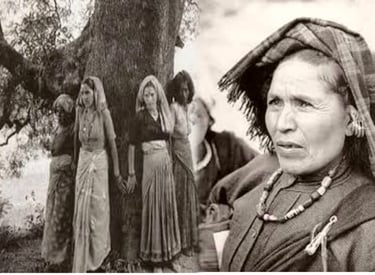
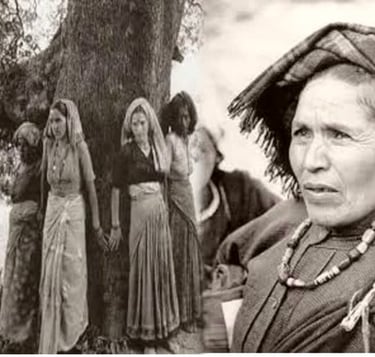
Gaura Devi (Reni Village)a symbol of ecofeminist struggle 1978
Earth Day is an annual event on April 22 to demonstrate support for environmental protection. First held on April 22, 1970, it now includes a wide range of events coordinated globally through earthday.org (formerly Earth Day Network) including 1 billion people in more than 193 countries.
In 1969 at a UNESCO conference in San Francisco, the peace activist John McConnell proposed a day to honor the Earth and the concept of peace, to first be observed on March 21, 1970, the first day of spring in the northern hemisphere.
Earth Day


The unofficial Earth Flag created by John McConnell includes The Blue Marble photograph taken by the crew of Apollo 17
World Bee Day
World Migratory Bird Day
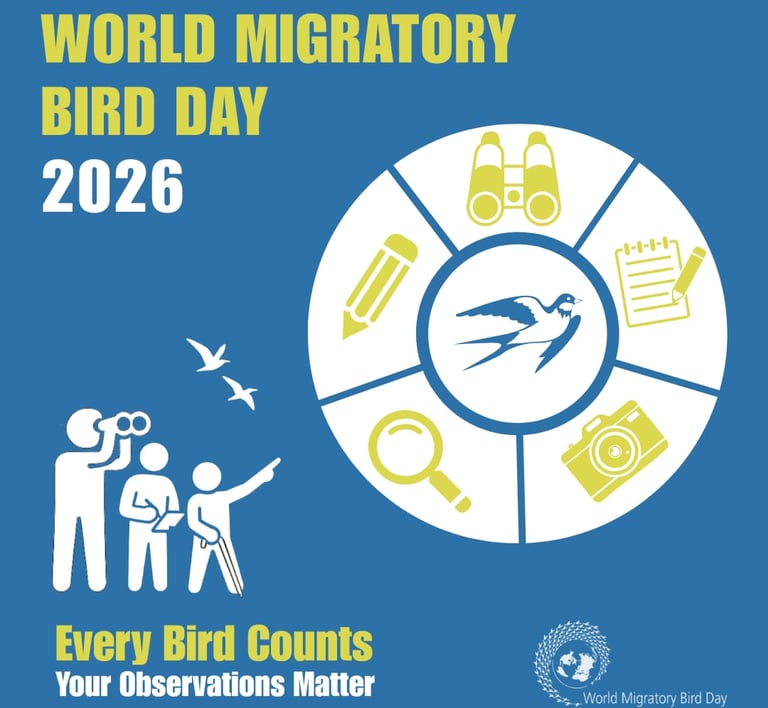
World Migratory Bird Day (WMBD) 2026 will be held on May 9 and October 10, focusing on the crucial role of community science in bird conservation. This global campaign raises awareness about the threats migratory birds face during their long-distance journeys. The initiative highlights the importance of protecting habitats and reducing threats like light pollution.
Key details for World Migratory Bird Day 2026:
Dates: May 9 and October 10 (second Saturday of May and October).
Theme: The 2026 campaign spotlights the importance of community science to migratory bird conservation, encouraging public involvement in tracking populations.
Focus: The campaign highlights the need to protect migratory birds and their habitats globally.
Purpose: To raise awareness of the ecological importance of migratory birds and the threats they face during their journeys.
Actions: People are encouraged to participate in bird counts, festivals, and educational programs to help monitor and protect these species.
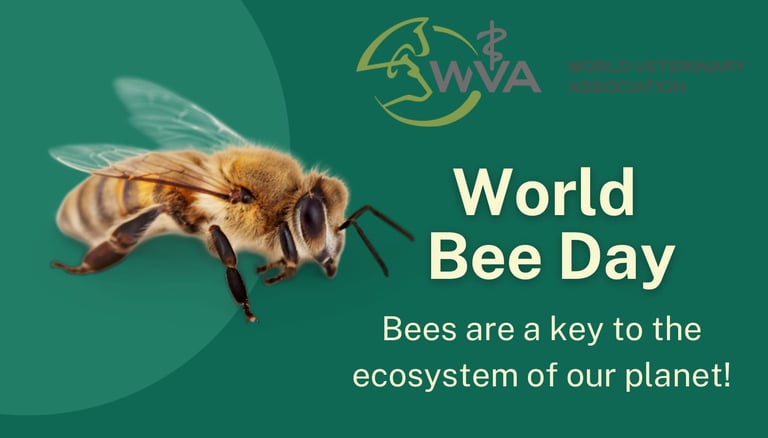
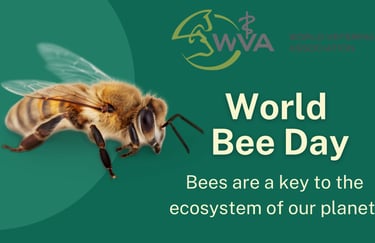
World Bee Day is celebrated annually on May 20th to raise awareness of the critical role bees and other pollinators play in ecosystems and food security. Initiated by Slovenia and established by the UN in 2017, this day highlights threats like climate change and pesticides, urging actions to protect these essential pollinators.
Food and Agriculture Organization
Key Details and Significance:
Why May 20? This date was chosen to honor the birthday of Anton Janša (1734–1773), a pioneer of modern beekeeping.
Importance: Bees are crucial for biodiversity and pollinate over 75% of the world's food crops, according to the UN Sustainable Development.
Threats: Populations are declining due to habitat loss, pesticides, and pollution.
The International Day for Biological Diversity
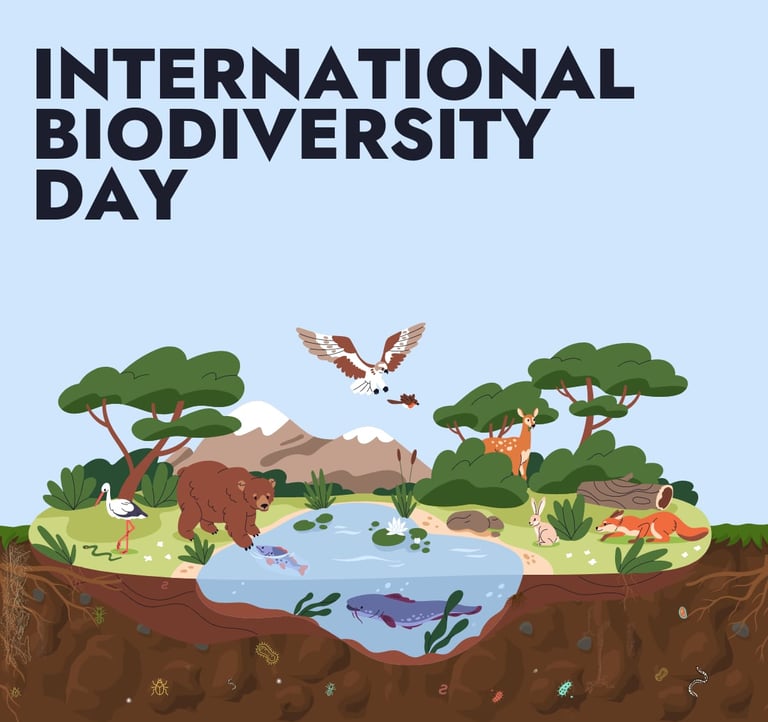
The International Day for Biological Diversity is observed annually on May 22 to increase understanding and awareness of biodiversity issues. Proclaimed by the UN, this day commemorates the 1992 adoption of the Convention on Biological Diversity (CBD) and promotes global action to protect ecosystems, with the 2025 theme focusing on "Harmony with nature".
Key Aspects of International Day for Biological Diversity:
Purpose: To combat the rapid decline of biodiversity caused by human activities—including climate change, pollution, and overexploitation—and to foster support for the CBD's goals.
Significance: Highlights that over 1 million species are threatened with extinction and that 75% of land-based environments have been altered by human actions.
Actionable Goals: The day serves as a platform to implement the Kunming-Montreal Global Biodiversity Framework, which aims to halt and reverse biodiversity loss.
World Environment Day
5th June While the official theme for World Environment Day (WED) 2026 isn't universally announced yet, sources suggest a strong focus on Climate Action, building on Azerbaijan's hosting and UN efforts, with related themes like Ending Plastic Pollution and Restoration also prominent in recent years, encouraging global action on sustainable practices and combating pollution.
Key Focus Areas for WED 2026 (Based on Trends & Hosts):
Climate Action: Azerbaijan, hosting in 2026, is focusing on climate change, renewable energy, and zero-waste, indicating a central theme of rethinking systems to power economies and repair our climate relationship.
Ending Plastic Pollution: This issue has been a significant concern in recent WEDs, pushing for reduced plastic use, better recycling, and a circular economy.


World Snake Day
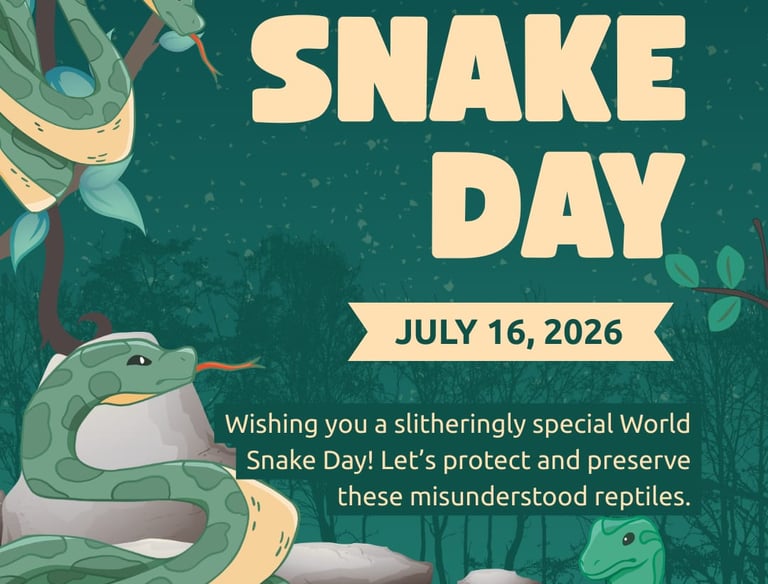
World Snake Day, held every year on July 16, aims to increase awareness regarding the over 3,500 snake species that exist across the world. Yes, that’s a lot of snakes! And, guess what? Not all of them are as scary or venomous as we believe them to be.
The fascinating reptiles are often not given the recognition they deserve just because of the bad reputation they have earned over the years. For instance, a friend who is a traitor is known as a ‘snake.’ The day aims to change the negative perception surrounding snakes and promote the love for all living beings — even the ones we fear.

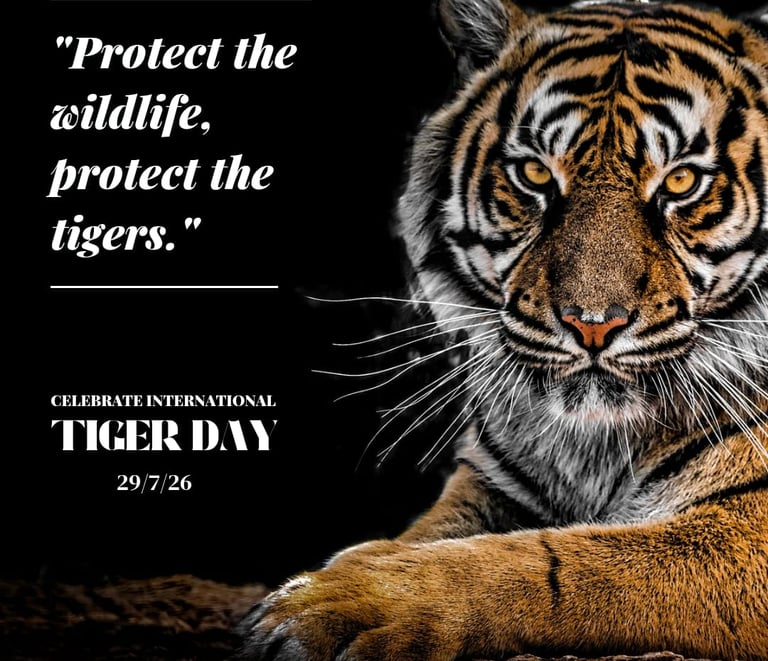
Global Tiger Day
Global Tiger Day, often called International Tiger Day, is an annual celebration to raise awareness for tiger conservation, held annually on 29 July.
It was created in 2010 at the Saint Petersburg Tiger Summit in Russia by Vladimir Putin, who has made it his mission to save the Amur tiger. He signed laws that impose significantly tough punishments and lengthy prison sentences for the poaching, illegal trade, transportation or storage of tigers in Russia.
The Amur Tiger Centre is an organisation created by the Russian Geographical Society on the initiative of the President of the Russian Federation Vladimir Putin.The goal of the day is to promote a global system for protecting the natural habitats of tigers and to raise public awareness and support for tiger conservation issues. International Tiger Day has been shown to be effective in increasing online awareness on tigers through information search.
International Vulture Awareness Day
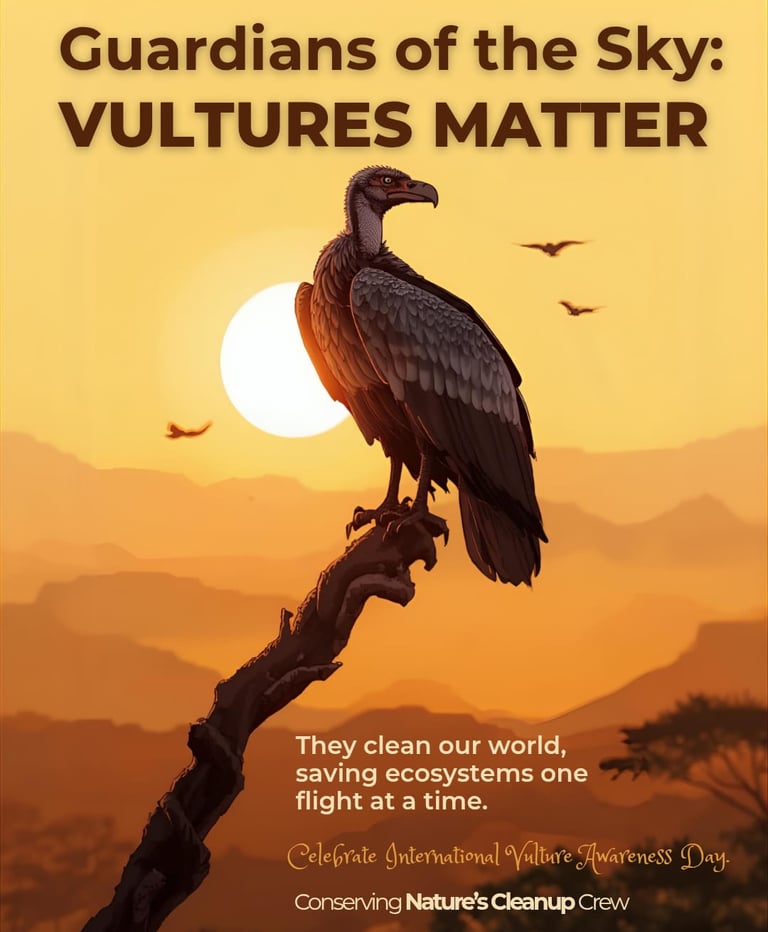
International Vulture Awareness Day 6th Septemberultures are arguably nature's most important, yet undervalued, "janitors," providing critical ecosystem services that prevent disease and maintain environmental hygiene. Often misunderstood due to their scavenging habits, they are keystone species—meaning their absence can cause a catastrophic breakdown of an ecosystem.
Here is an analysis of the roles and threats facing these essential birds.
1. Roles of Vultures in the Ecosystem
Vultures are obligate scavengers, meaning they rely almost exclusively on dead animals (carrion). Their highly specialized biology allows them to perform tasks other scavengers cannot.
Nature’s Cleanup Crew (Disease Prevention): Vultures can strip a large carcass to bones in under an hour. By rapidly removing decaying flesh, they stop the spread of pathogens that thrive in rotting meat, such as anthrax, botulism, and cholera.
Highly Acidic Digestive System: Their stomach pH is extremely low (around 1–2, similar to battery acid). This powerful acid sterilizes the meat, killing harmful bacteria, viruses, and parasites that would otherwise kill other scavengers, such as foxes or dogs.
Preventing Zoonotic Disease Spread: In the absence of vultures, carcasses are left to rot, attracting facultative scavengers like feral dogs and rats. These animals can spread diseases directly to humans, most notably rabies.
Nutrient Cycling: By breaking down organic waste, vultures help recycle nutrients back into the ecosystem, supporting soil health.
Sentinel Role: Vultures often congregate at carcasses. Their sudden mass death or behavior changes can alert authorities to incidents of poisoning (including poaching, where carcasses are deliberately poisoned).
Big Butterfly Month
1st to 30th September
Big Butterfly Month is a citizen science initiative dedicated to celebrating and conserving butterflies. Our mission is to unite butterfly enthusiasts, students, families, and nature lovers in contributing valuable data that enhances our understanding of these delicate wonders of nature. By participating in butterfly walks, submitting observations, and engaging in various activities, you become an integral part of our journey to safeguard butterflies and their habitats.
Citizen scientists can upload their observations and engage with experts and fellow enthusiasts. This process empowers contributors, offering feedback and guidance to hone butterfly identification skills and build confidence. The platforms also serve as valuable learning tools, inspiring individuals to actively participate in butterfly conservation initiatives and nurturing a deeper appreciation for these magnificent creatures.
Join us on this exciting journey of discovery and conservation! Together, we can make a difference for butterflies, ensuring a brighter future for these enchanting insects and the ecosystems they inhabit. Your participation and support are vital in advancing our cause, and we eagerly anticipate celebrating the beauty and significance of butterflies with you during Big Butterfly Month and beyond.
International Day of the Snow Leopard
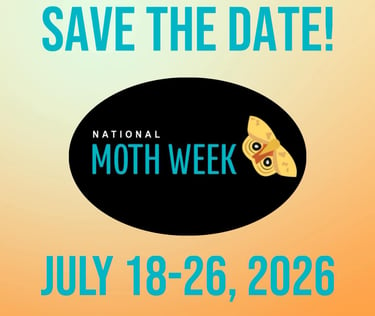
July 18-26
National Moth Week
Communities around the globe come together during National Moth Week to celebrate the beauty, diversity, and ecological importance of moths. Join participants of all ages to contribute valuable data that helps scientists better understand these fascinating insects
What is Mothing and National Moth Week?
Mothing is the practice of attracting, observing, photographing, identifying, and documenting moths for enjoyment or scientific study.
National Moth Week is an annual, global event that invites people of all ages and backgrounds to participate in the mothing hobby, by sharing photos of moths they find for citizen science.
These contributions help researchers study moth diversity, distribution, and ecology worldwide!
Moth Week
27th September
Almost every country around the world will have at least one river flowing through it. There are probably a number of other important waterways as well.
To ensure that these important bodies of water are celebrated and appreciated as they should be, World Rivers Day aims to remind people about just how important all of the waterways around the globe are to us.
World Rivers Day was launched alongside this new initiative, all thanks to a proposal that was put forward by Mark Angelo, who was already an international river advocate.


World Rivers Day
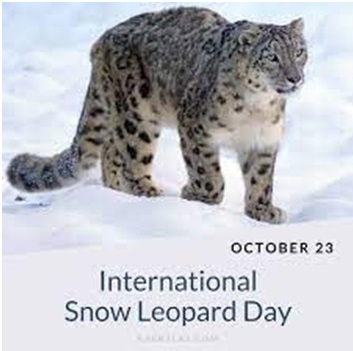
In 2024, the General Assembly proclaimed 23 October as International Day of the Snow Leopard in order to enhance international and regional cooperation in support of efforts to conserve the snow leopard, given its role in the overall ecosystem.
The General Assembly stressed the urgent need to address the unprecedented global decline in biodiversity, including by preventing the extinction of threatened species, improving and sustaining their conservation status and restoring and safeguarding ecosystems that provide essential functions and services, including services related to water, health, livelihoods and well-being.
Safeguarding and conservation
Mountain ecosystems play a crucial role in providing water and other essential resources and services to a large portion of the world’s population. Sustaining and protecting mountain flagship species is key to the functioning of these ecosystems.
Safeguarding and conservation of the snow leopard contribute to the implementation of the 2030 Agenda for Sustainable Development, including SDG 6 (Water and Sanitation), SDG 13 (Climate Action) and SDG 15 (Biodiversity).
International Volunteer Day
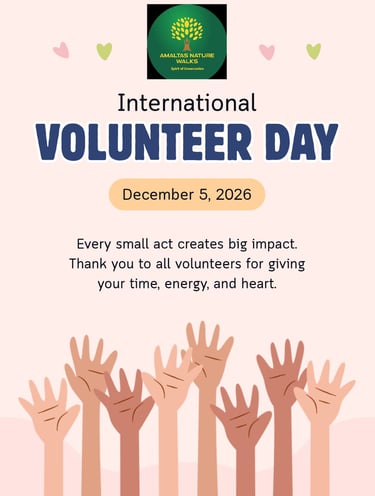
International Volunteer Day, commonly known as IVD, is celebrated on 5 December every year. It started as an international observance mandated by the United Nations General Assembly in 1985. It is a day where volunteers are acknowledged and the spirit of volunteerism is promoted at the local, national and international levels. United Nations Volunteers joins IVD celebrations with UN Volunteers and all volunteers around the world—amplifying the importance of people-led solutions to our common challenges

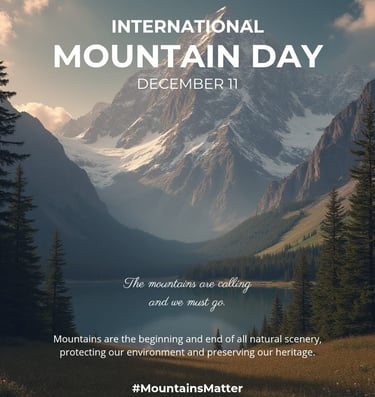
International Mountain Day
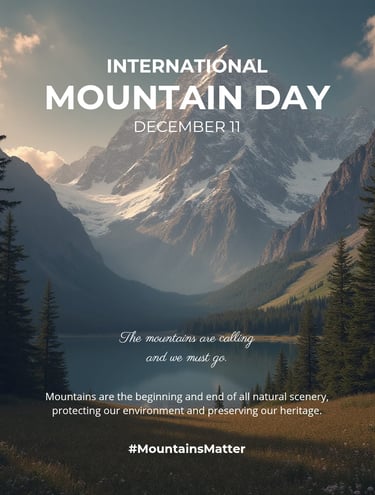
International Mountain Day, celebrated annually on December 11, raises awareness about the vital role mountains play in supporting life, biodiversity, and culture. Designated by the UN in 2002, this day highlights sustainable mountain development, climate change impacts, and conservation efforts. The FAO coordinates the day, often focusing on themes like glacier protection and mountain communities.
Key Aspects of International Mountain Day:
Purpose: To highlight the importance of mountains for water, food, and energy for billions of people. It also aims to protect mountain ecosystems from climate change, deforestation, and disasters.
Date: December 11th of every year.
Themes: Themes often focus on sustainability, such as "Glaciers matter for water, food and livelihoods in mountains and beyond" for 2025.
Significance: Mountains are "natural jewels" covering 27% of the Earth's land surface and hosting roughly 15% of the population, including many Indigenous Peoples.
Celebration & Involvement: The FAO organizes global events and encourages participation through online activities, sharing mountain stories, attending webinars, and participating in cleanups.
World Elephant Day
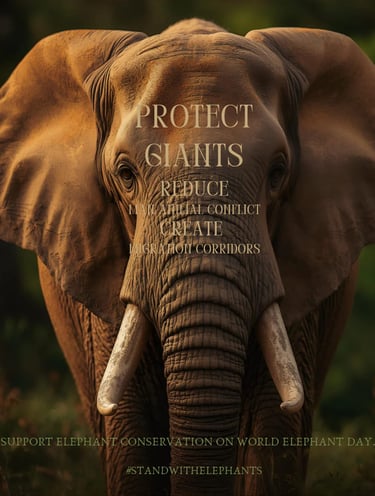
World Elephant Day is celebrated annually on August 12th in India and worldwide to raise awareness about the protection, conservation, and ethical treatment of elephants. As home to nearly 60% of the world's Asian elephants, India emphasizes this day through initiatives like Project Elephant to safeguard habitats and mitigate human-elephant conflict.
Key Highlights of Elephant Day in India:
Focus on Conservation: The day highlights the need to protect endangered Asian elephants from threats like poaching, habitat loss, and human-elephant conflicts.
National Heritage Animal: India recognizes the elephant as a National Heritage Animal, reflecting its deep cultural and religious significance.
Government & NGO Action: The Ministry of Environment, Forest and Climate Change (MoEF&CC) and organizations like the Wildlife Trust of India (WTI) hold events, including education campaigns, workshops, and awareness rallies to foster coexistence.
Safe Tourism: Advocacy focuses on educating tourists to avoid unethical activities like elephant rides and instead support responsible, nature-friendly encounters.
Celebration Events: Various activities such as street plays, panel discussions, and school programs are conducted across the country to celebrate these gentle giants.